
“Not finance. Not strategy. Not technology. It is teamwork that remains the ultimate competitive advantage, both because it is so powerful and so rare.”
– PATRICK LENCIONI
25+
Years of experience in entrepreneurship, business management, sales and marketing
250+
Hours of facilitating team building and strategic retreats since 2014
500+
Employees who became more engaged through team building workshops
50+
Client organizations from publicly traded companies and government agencies to startups, and nonprofits
Overcome the Five Dysfunctions of a Team
Based on Patrick Lencioni’s best-selling book The Five Dysfunctions of a Team, this workshop provides a structured framework to diagnose and address the common obstacles that prevent teams from performing at their best.
The model is presented as a pyramid, with each dysfunction building upon the one below it. Teams learn how to systematically overcome these five dysfunctions to become more cohesive, engaged, and results-oriented:
- Absence of Trust – The inability to be vulnerable within the team.
- Fear of Conflict – Avoiding productive, open debate around ideas.
- Lack of Commitment – Ambiguity around decisions that hinders progress.
- Avoidance of Accountability – Hesitancy to call out behaviors that impede team success.
- Inattention to Results – Prioritizing individual or departmental goals over collective success.
Through facilitated exercises and discussions, participants explore the roots of these dysfunctions and co-create strategies to build trust, engage in constructive conflict, commit fully to decisions, hold each other accountable, and focus on collective results.
Benefits & measurable improvements
- Build Trust and Psychological Safety: Develop vulnerability-based trust that encourages openness and candor.
- Improve Decision-Making: Engage in healthy conflict that surfaces better ideas and avoids groupthink.
- Drive Accountability: Create a culture where team members hold each other responsible for performance and behavior.
- Increase Alignment and Focus on Results: Shift attention from individual agendas to shared objectives.
- Measurable Outcomes:
- Higher levels of reported trust and collaboration in post-workshop feedback.
- Faster decision-making and clearer follow-through on commitments.
- Increased accountability and alignment on team goals observed in follow-up sessions.
- Improved team performance and productivity linked to reduced silos and stronger cohesion.
Science and Foundations
While not rooted in psychometric testing, The Five Dysfunctions of a Team draws upon principles from organizational behavior, group dynamics, and leadership research:
- Builds on Tuckman’s stages of team development (forming, storming, norming, performing) and related team effectiveness research.
- Supported by evidence from the fields of psychological safety (Amy Edmondson) and trust in organizations (Stephen M.R. Covey), which underpin the importance of vulnerability and accountability.
- Widely adopted in leadership development programs and executive team interventions, reinforcing its practical applicability and credibility as a tool for transforming team performance.
Who it’s for
- Senior leadership teams or management teams (4–12 members) working closely together.
- Teams experiencing conflict avoidance, lack of alignment, or unclear accountability.
- Organizations seeking to improve leadership cohesion and drive execution on strategic goals.
Format
- Preparation: 1–2 days of preparation to assess the team’s current state and gather input to tailor the sessions.
- Workshop Options:
- Two-day retreat: An immersive experience focused on deep team-building and practical application of the model.
- Series of 12 work sessions: In-depth exploration of each dysfunction over time to drive lasting cultural shifts and behavioral change.
- Session Structure:
- Introduction to the Five Dysfunctions (30 min): Framework overview and context.
- Trust-Building Exercises (1–2 hours): Establishing vulnerability-based trust.
- Conflict and Commitment Workshops (2–3 hours): Practicing productive debate and decision alignment.
- Accountability and Results Focus (2 hours): Developing shared standards and reinforcing collective goals.
- Delivery: In-person is ideal for impact but available virtually using interactive facilitation tools.
- Language: English or French.
Discover our other Team Building activities and workshops

Discover and share your team’s CliftonStrengths
Identify your natural talents and learn how to turn them into strengths to maximize both individual and collective impact by sharing them within your team.

Explore and share your team’s Social Styles
Understand communication styles and adapt your interactions to collaborate more effectively, influence others, and manage conflicts within your team.
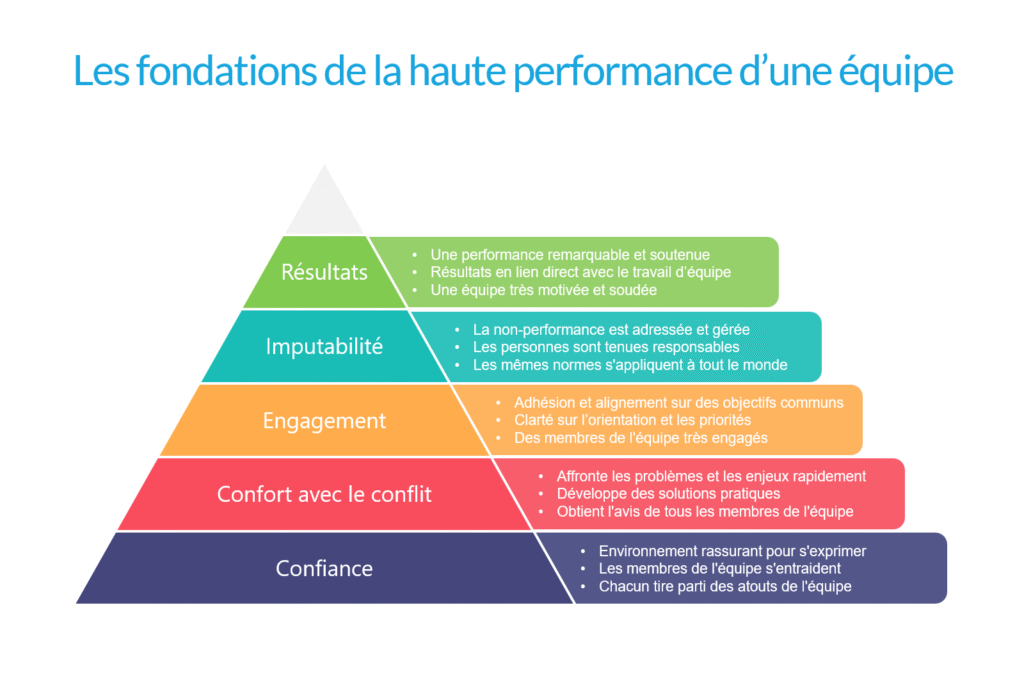
Overcome the Five Dysfunctions of a Team
Identify and address the obstacles that could hinder trust, cohesion, accountability, and your team’s collective performance.
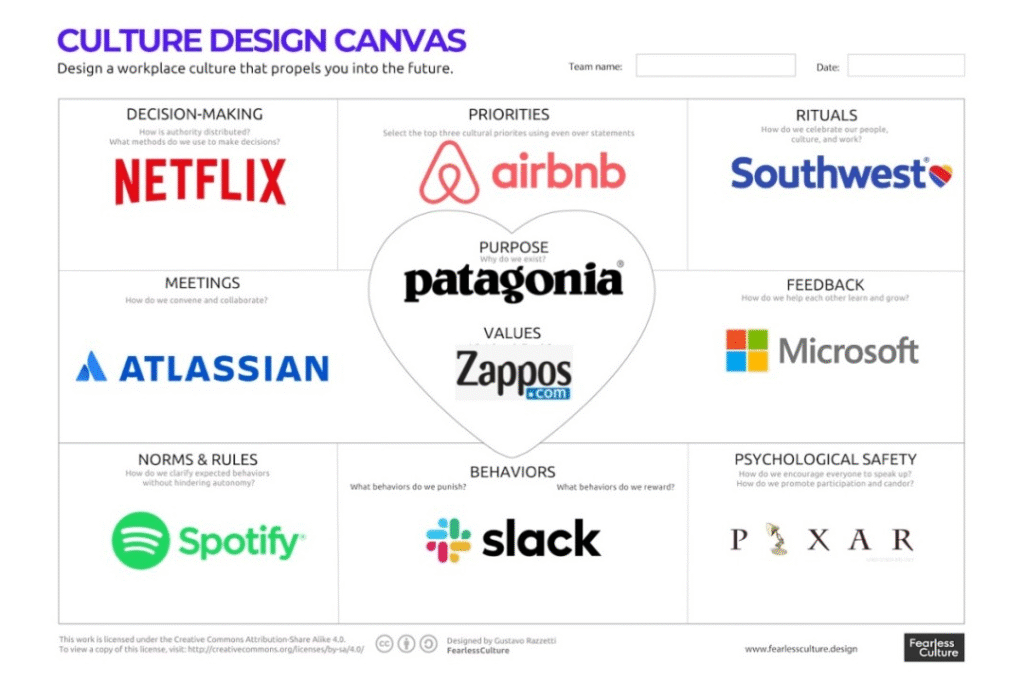
Define your team culture with the Culture Canvas
Clarify or align your team’s culture with your organization’s values using a clear and participatory framework.
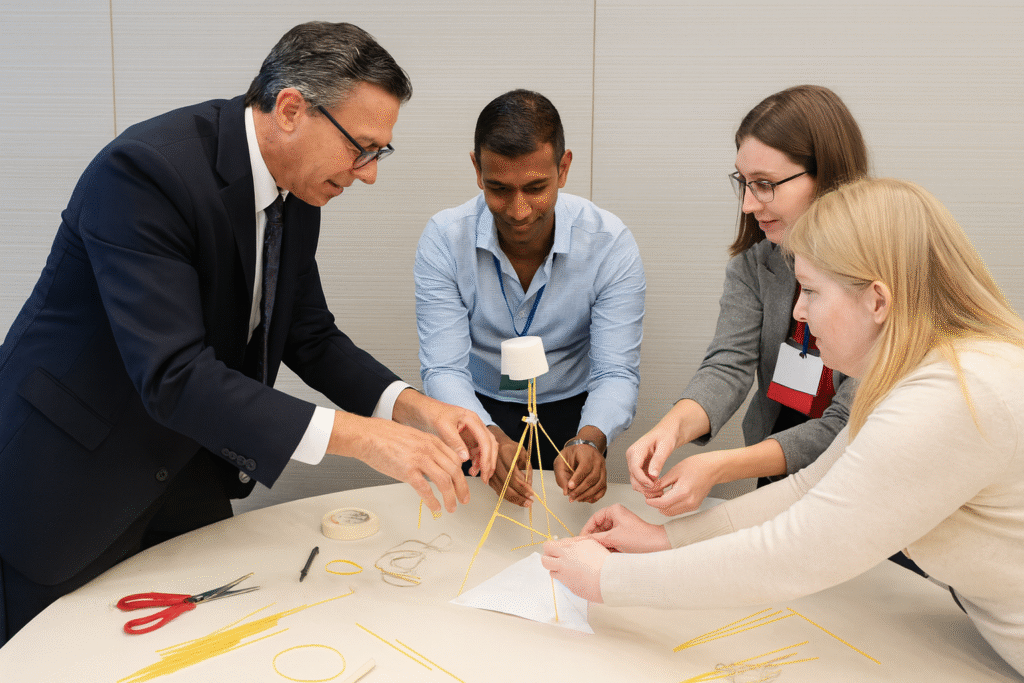
The collaborative Marshmallow Challenge
Boost creativity, collaboration, and iterative thinking with this fun challenge that reveals team dynamics in action.
Request a free discovery call to find out how I can support your growth.
Insights and best practices
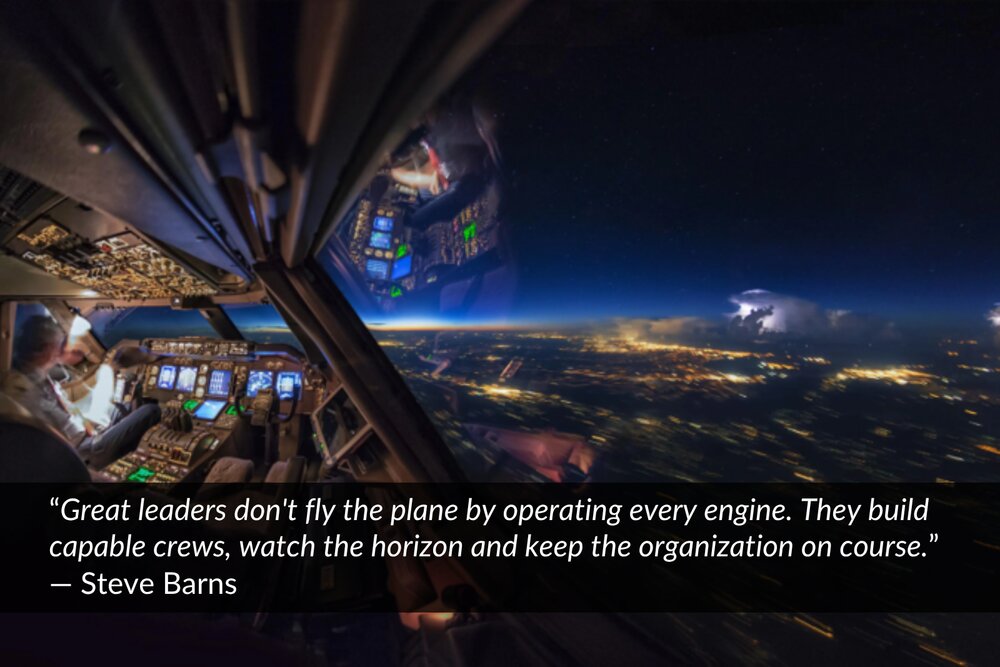
The art of piloting: Where leaders create the most value
Imagine you’re piloting a B-52 bomber. Your aircraft is a complex machine, powered by multiple engines and supported by highly trained specialists. Your responsibility is to get it safely and effectively to its destination. You have a flight plan, instruments monitoring the aircraft’s performance, a horizon to watch for changing conditions and a control tower…
Read more →
Are you still set up for success?
When someone takes on a new role, we usually ask whether they are set up for success. Do they understand what is expected? Do they have the right skills, resources and authority? Is the workload realistic? But there is a problem with that question: we tend to ask it at the beginning. Six months later,…
Read more →
Getting everyone rowing in the same direction: The overlooked job of leadership
It sounds almost too simple. Yet in business coaching and executive coaching, I keep seeing variations of the same problem: capable people working hard, but not necessarily working in the same direction. It may show up as slow decisions, duplicated effort, internal friction, missed handoffs, competing priorities or departments protecting their own interests. The symptoms…
Read more →
The management discipline behind effective AI
Artificial intelligence is changing how work gets done. But the management challenge underneath it is not new. Long before AI, leaders had to decide why a role existed, what it was responsible for, what outcomes it was expected to produce, where its authority started and stopped and how it interacted with other roles. They also…
Read more →
From Boss to Coach to Change Agent: The Evolution of the Modern Manager
For generations, being a manager largely meant knowing what needed to be done and making sure other people did it. That model is changing. Today, managers are expected to empower rather than control, coach rather than simply direct, develop people rather than just evaluate them and help their teams navigate constant change. Add hybrid work,…
Read more →
Strategic Thinking: The Leadership Skill Behind Better Decisions and Stronger Strategy
Strategic thinking is often associated with strategic planning. But they are not the same thing. A strategic plan defines where an organization intends to go and how it plans to get there. Strategic thinking happens before, during and beyond that process. It is the discipline of questioning assumptions, exploring possibilities and understanding implications before deciding…
Read more →