Most leadership advice pushes you toward a style.
Be more decisive.
Empower your team.
Coach instead of tell.
The problem is not that this advice is wrong. It’s that it assumes consistency is the goal.
It isn’t.
Leadership effectiveness does not come from applying one approach well.
It comes from applying the right posture at the right time.
And most leaders don’t adjust as often as they should.
Posture over style
In real operating environments, leaders don’t fail because they lack tools.
They fail because they apply the wrong approach to the situation in front of them.
The same behavior that works in one context creates friction in another.
A more useful lens is posture.
At any moment, a leader is either leaning forward or leaning back.
Leaning forward means stepping in to create clarity, direction, and momentum.
Leaning back means creating space for thinking, ownership, and learning.
Neither is better.
But one is always more appropriate.
The first signal: time-to-action
One of the clearest indicators of the right posture is how quickly action is required.
When things need to move fast, leaning forward becomes essential.
A decision is blocking execution.
A client issue is escalating.
A deadline is about to be missed.
In these moments, ambiguity slows everything down.
Leaning forward helps:
- Reduce confusion
- Align people quickly
- Drive immediate action
But speed alone is not enough.
If the problem is not well understood, pushing fast decisions can lead to fast mistakes.
You create motion. Just not in the right direction.
Time is not the only variable
Time pressure matters, but it should not be your only signal.
Three other variables should shape your posture.
Familiarity
Is this a known problem with known solutions?
Or something new that requires thinking?
Known terrain favors direction.
New terrain requires space before action.
Capability
Do the people involved have the judgment to handle this well?
Or do they need structure?
Strong teams benefit from autonomy.
Developing teams need more guidance.
Leaning back too early creates confusion.
Leaning forward too long creates dependency.
Risk
What is the cost of being wrong?
Low-risk situations are opportunities to learn.
High-risk situations require tighter control.
Many leaders get this backwards.
They over-manage what is safe.
And under-lead what is critical.
The cost of getting it wrong
Leadership posture directly shapes team behavior.
When you lean forward too often:
- Initiative drops
- People wait instead of thinking
- Ownership shifts upward
You gain speed.
You lose accountability and judgment.
When you lean back too often:
- Decisions stall
- Ownership becomes unclear
- Execution slows down
You gain engagement.
You lose momentum.
The real skill: switching deliberately
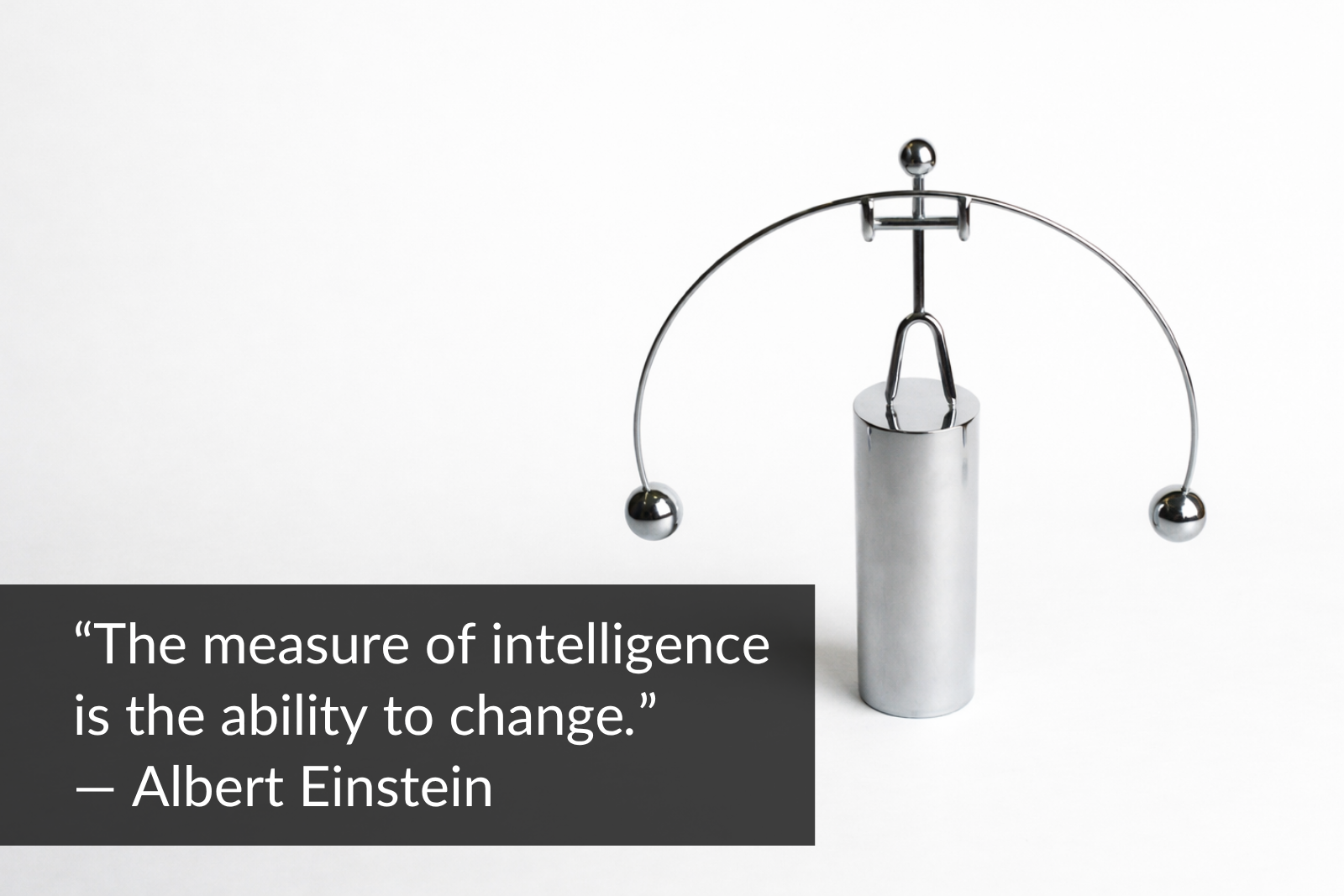
The best leaders don’t default. They switch.
But more importantly, they make the switch clear.
When leaning forward:
- State the decision
- Clarify expectations
When leaning back:
- Define the outcome
- Transfer ownership explicitly
What breaks trust is not changing posture. It’s changing posture without context.
A simple diagnostic
Before stepping in, ask:
- How fast do we need to act?
- Do we understand the problem?
- Are the people capable?
- What happens if we’re wrong?
Then choose your stance.
Lean forward to create movement.
Lean back to create ownership.
Leading beyond your comfort zone
Most leaders have a preferred posture.
Some default to control.
Others to empowerment.
Both are limiting.
Because leadership is not about what feels natural. It’s about what the situation requires.
And the ability to adjust, in real time, is what separates competent leaders from effective ones.